Published date:
PBNI Welcomes International Trauma and Rehabilitation Advocate Fritzi Horstman
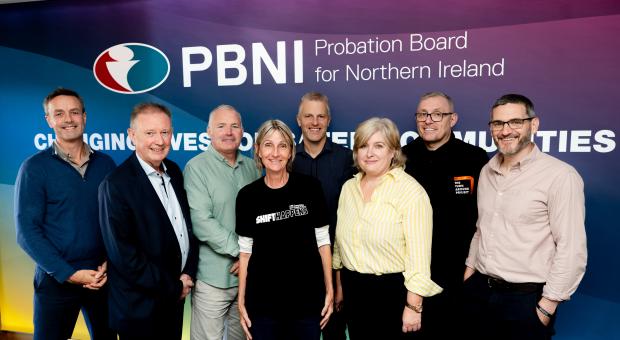
The Probation Board for Northern Ireland (PBNI) recently had the privilege of hosting Fritzi Horstman, founder and Executive Director of the Compassion Prison Project (CPP), alongside representatives from The Turnaround Project, for a series of discussions exploring trauma-informed approaches to rehabilitation and desistance.
Fritzi Horstman is internationally recognised for her work promoting trauma awareness within justice systems. Through the Compassion Prison Project, she has helped develop innovative programmes that encourage individuals in custody to understand the impact of adverse childhood experiences and trauma on behaviour, relationships and offending. The organisation's work is now being delivered across prisons and communities in the United States and internationally.
The visit provided an opportunity for PBNI staff and partners to hear first-hand about the growing evidence supporting trauma-informed practice within criminal justice settings. Discussions focused on the importance of recognising the experiences that often lie behind offending behaviour and the role that understanding, accountability and rehabilitation can play in supporting lasting change.
A key theme throughout the visit was the belief that many people involved in the justice system have experienced significant adversity and trauma during childhood. By helping individuals better understand these experiences and their impact, services can support people to build resilience, develop healthier coping strategies and reduce the likelihood of reoffending.
Representatives from The Turnaround Project shared insights into their work and the positive impact that trauma-informed approaches can have in supporting personal transformation. Their collaboration with the Compassion Prison Project reflects a shared commitment to creating opportunities for healing, growth and recovery for those affected by the justice system.
The visit aligns closely with PBNI's ongoing commitment to evidence-based practice and person-centred rehabilitation. Staff welcomed the opportunity to exchange ideas, learn from international experience and reflect on how trauma-informed approaches can continue to strengthen outcomes for individuals under probation supervision.
Speaking after the visit, participants highlighted the value of bringing together practitioners, partner organisations and lived experience perspectives to explore new ways of supporting rehabilitation. The discussions reinforced the importance of compassion, connection and understanding as key components of effective intervention and long-term desistance.